


Standards and conformance procedures that are harmonized across economies improve the efficiency of production and facilitate the conduct of international trade. This results in more rapid trade flows, reduced costs and a greater integration of production networks.
The Sub-Committee on Standards and Conformance (SCSC) was established in 1994 to help reduce the negative effects that differing standards and conformance arrangements have on trade and investment flows in the Asia-Pacific region. In this way, the SCSC assists the Committee on Trade and Investment (CTI) to achieve APEC's trade and investment liberalization and facilitation agenda.
The main objectives of the SCSC are to:
- Reduce technical barriers to trade and enhance market access through standards and conformance
- Align each economy’s standards with international standards
- Promote good regulatory practices in the preparation, adoption and application of standards, technical regulations and conformity assessment procedures
- Progress mutual recognition arrangements for conformity assessment within the region
- Pursue regional cooperation in accordance with international agreements
- Ensure greater transparency
- Encourage participation in standards education and awareness programs to build capacity and capability to enhance the competitiveness of businesses, including micro, small and medium enterprises
The SCSC comprises of representatives nominated by the 21 member economies who are drawn from agencies responsible for standards and conformance issues as well as trade policy matters. The SCSC meets, at least, twice a year usually during the SOM1 and SOM3 cluster of the APEC meetings.
The Joint Regulatory Advisory Committee (JRAC) on Electrical and Electronic Equipment, the Food Safety Cooperation Forum (FSCF), and the Regulatory Harmonization Steering Committee (RHSC) on Medical Products report to the SCSC as its subsidiary bodies.
Nominated representatives from specialist regional bodies such as the Asia Pacific Accreditation Cooperation (APAC), the Asia-Pacific Legal Metrology Forum (APLMF), the Asia-Pacific Metrology Program (APMP), and the Pacific Area Standards Congress (PASC) participate in SCSC meetings as expert regional bodies responsible for the development of standards and conformance infrastructure in the Asia-Pacific region.
The SCSC also welcomes the participation of ASTM International, the International Electrotechnical Commission (IEC), and the International Organization for Standardization (ISO) as three-year guests of the SCSC.
Last page update: January 2026
Contacts
|
Li Pengcheng (Dr) SCSC Chair 2026
Deputy Director of the Resources and Environment Branch, |
Natta AKAPAIBOON (Ms) Program Director |
Recent achievement and current activities
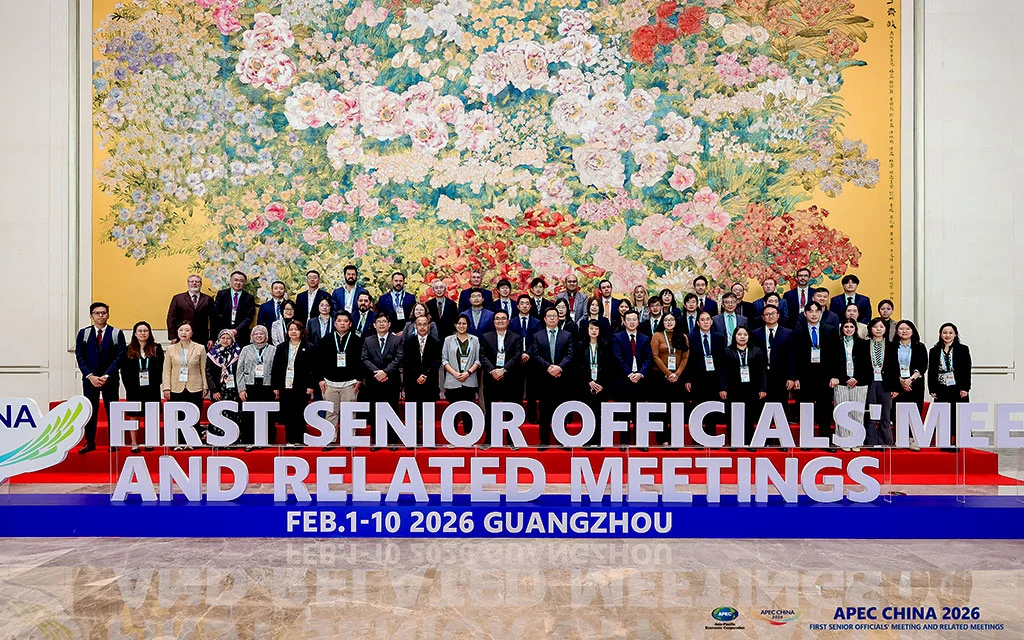
In recent years, the SCSC has explored new areas for cooperation on standards. At each SCSC plenary meeting, member economies engage in policy dialogues and share updates on developments at the World Trade Organization (WTO) Technical Barriers to Trade (TBT) and Sanitary and Phytosanitary (SPS) Committees, as well as updates on ongoing SCSC projects and reports from specialist regional bodies.
In 2024 in Peru, the SCSC held discussions on gender-responsive standards, the role of women in standards development, and the benefits of gender-responsive standards for industry and the broader economy. Members also engaged in policy dialogues on quality infrastructure for sustainability, the use of digital tools to improve access to quality infrastructure and public services, and how compliance with sustainability regulations can enhance the competitiveness of small and medium-sized enterprises (SMEs).
In 2025 in the Republic of Korea (ROK), the SCSC’s key policy discussions focused on standards and conformance for artificial intelligence (AI), the development of next-generation standards experts, the digital transformation of standards and certification systems, and the promotion of sustainable energy through standards cooperation. In light of the widespread adoption of AI, member economies discussed the growing role of AI standards and conformance, emphasizing the need for trustworthy, interoperable, and internationally aligned frameworks to manage risks, support innovation, and facilitate trade. The SCSC’s policy dialogue on enabling a trusted digital economy highlighted the increasing importance of modern and interoperable standards to support a more connected region. Members underscored the value of digital accreditation systems, machine-readable and SMART standards, and the broader integration of digital tools to enhance transparency, efficiency, and trust. The policy dialogue on strengthening sustainable energy systems through standards and conformance emphasized the importance of harmonized energy performance standards, lifecycle-based carbon assessment methodologies, and standards that support emerging technologies, including hydrogen, distributed energy resources, and advanced energy storage systems.
In 2025, the SCSC advanced a diverse portfolio of around 45 active and newly endorsed projects, reflecting the wide range of emerging priorities across the region. These initiatives spanned areas including digital transformation, food safety, the circular economy, quantum technologies, accreditation modernization, women’s participation in standards development, e-commerce dispute resolution, advanced metrology, and clean energy systems. Collectively, these projects strengthened regional quality infrastructure, built technical expertise, and supported regulatory coherence. Many initiatives delivered workshops, surveys, and technical exchanges to identify capacity-building needs, share good practices, and promote alignment with international standards. Through this work, the SCSC has fostered cooperation, reduced barriers to trade, and equipped member economies to respond to evolving challenges in technology, sustainability, and inclusive growth.
With the SCSC Terms of Reference (ToR) endorsed for the 2026–2029 period, the SCSC is focused on advancing its strategic objectives. For 2026, China, as the Chair of the SCSC, plans to focus on advancing cooperation in key priority areas, including the role of standards and conformance in driving inclusive growth in the digital economy, and supporting the deployment of green technologies, among others.