

Women at the Centre of APEC's Digital and Green Ambitions
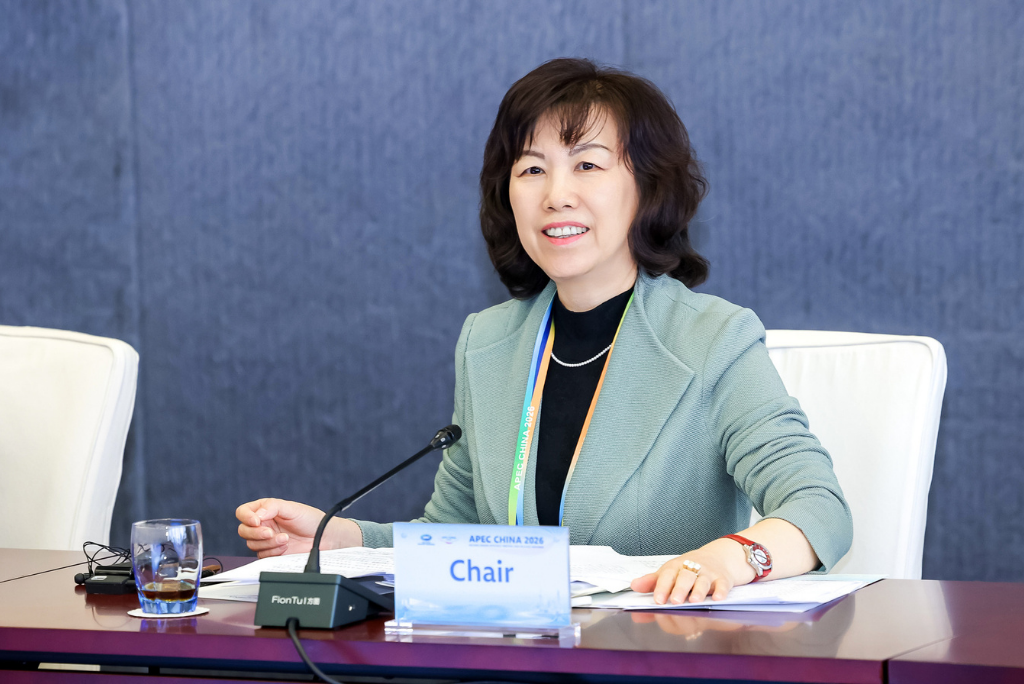
APEC economies this week explored ways to strengthen women’s participation in the digital economy, green transition and entrepreneurship, as policymakers and experts examined how structural barriers continue to limit economic opportunities for women across the Asia-Pacific.
Meeting in Shanghai, officials from APEC’s Policy Partnership on Women and the Economy discussed policy approaches to expand women’s leadership, improve access to emerging industries and support more inclusive economic growth amid rapid technological and environmental change.
“Women are a critical force for economic growth in the Asia-Pacific, playing a unique and indispensable role in our shared prosperity,” said Zhang Jianmin, Interim Chair of the APEC Policy Partnership on Women and the Economy.
“As the new round of scientific and technological revolution and industrial transformation deepens, innovation-driven digital, intelligent and green transitions have become new growth points for APEC member economies.”
“Let us further unleash women's role as key actors and agents of change in economic development, ensure that the fruits of development benefit more people in the Asia-Pacific region, including women and make greater contributions to the long-term development and shared prosperity of the region, as well as to the building of an Asia-Pacific community,” she added.
Less than 30 percent of women participate in science, technology, engineering and mathematic fields across APEC economies according to the APEC Women and the Economy Dashboard, limiting women involvement in the digital economy and creation of inclusive technological systems.
Acknowledging this urgent challenge, the plenary discussions focused on the growing role of women in the digital economy and AI, with economies examining how to increase women’s participation and leadership in technology-driven sectors while addressing persistent gaps in digital skills, access and representation. From offering free programming courses for women of all ages to coaching on e-commerce platforms for women entrepreneurs, APEC economies are already boosting women digital literacy.
Participants also highlighted the importance of ensuring women benefit from the region’s green transition, including through greater access to opportunities in sustainability-related industries and leadership in environmental innovation.
The dashboard also highlighted how female labor force participation remains below 60 percent due to persistent structural inequalities. To increase women employment and entrepreneurship, economies collaborated on a range of initiatives including regulatory frameworks, financial mentorship programs and improved sex-disaggregated data collection.
Alongside policy discussions, APEC economies also underscored the importance of stronger research and evidence-based policymaking to better understand the barriers women continue to face across the region.
“APEC has made meaningful progress in advancing women’s economic empowerment, but gaps in data, implementation and outcomes remain,” said Rhea Crisologo Hernando of the APEC Policy Support Unit.
“More targeted and outcome-orientated research is needed to help economies design interventions that deliver measurable impact,” she added.
The outcomes of the plenary will feed directly into the High-Level Policy Dialogue on Women and the Economy on 15 May, where ministers and senior officials from across the APEC region will convene to advance the plenary’s momentum into concrete policy commitments.
For further information or media inquiries, please contact:
[email protected]